


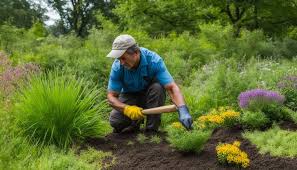
As environmental awareness continues to grow, more homeowners are seeking ways to create sustainable landscapes that benefit both the environment and their local communities. One of the most effective strategies for achieving an eco-friendly landscape is to incorporate native plants. Native plants are species that naturally occur in a specific region, having adapted to the local climate, soil, and ecosystem over time. This article serves as a guide to understanding the benefits of native plants and how to incorporate them into your landscaping for a more sustainable future. For more information check out best landscaping companies in dubai
1. Understanding Native Plants
Native plants are flora that has evolved in a particular region without human intervention. They are well-suited to the local climate and soil conditions, making them more resilient to pests, diseases, and drought compared to non-native species. These plants play a crucial role in supporting local ecosystems, providing habitat and food for wildlife, including pollinators, birds, and beneficial insects.
By choosing native plants for your landscaping, you contribute to the preservation of biodiversity and help restore ecological balance in your area.
2. Benefits of Using Native Plants
Incorporating native plants into your landscape design offers numerous advantages:
- Low Maintenance: Native plants require less water, fertilizer, and pesticides than non-native species, reducing the time and effort needed for maintenance. They are adapted to local conditions, making them more resilient to environmental stresses.
- Biodiversity: Native plants support local wildlife, including bees, butterflies, and birds, which are essential for pollination and maintaining healthy ecosystems. By creating habitats for these species, you contribute to the preservation of biodiversity in your region.
- Soil Health: Native plants contribute to improved soil health through their extensive root systems, which help prevent erosion and promote soil stability. Their presence can also enhance nutrient cycling and improve soil structure.
- Water Conservation: Many native plants are drought-resistant and require less water than traditional landscaping plants. By reducing the need for irrigation, you can conserve water resources and lower your water bills.
- Aesthetic Appeal: Native plants come in a variety of shapes, sizes, and colors, allowing you to create visually stunning landscapes that reflect the natural beauty of your region. Their seasonal blooms and changing foliage provide year-round interest.
3. Identifying Native Plants in Your Region
To select the right native plants for your landscape, it’s essential to understand the specific flora that thrives in your area. Here are steps to help you identify native plants:
- Research Local Resources: Consult local gardening clubs, extension services, or native plant societies for resources on native species in your region. Many organizations offer plant lists, guides, and even local plant sales.
- Explore Nature: Take walks in local parks, nature reserves, and botanical gardens to observe native plants in their natural habitats. This exploration can inspire your landscaping choices and help you visualize how different plants work together.
- Utilize Online Databases: Websites like the U.S. Department of Agriculture’s PLANTS Database and the Lady Bird Johnson Wildflower Center provide searchable databases of native plants by region and habitat type.
4. Designing Your Native Plant Landscape
Once you’ve identified suitable native plants for your region, it’s time to incorporate them into your landscape design. Here are some tips to help you create a cohesive and beautiful native plant garden:
- Plan for Diversity: Incorporate a variety of native plants to create a diverse ecosystem. This diversity can enhance visual interest and provide habitat for different wildlife species.
- Group Plants by Requirements: Arrange plants with similar water and sunlight needs together. This grouping will make maintenance easier and create a more natural appearance in your landscape.
- Create Layers: Use a layered approach in your planting design. Place taller plants at the back or center, medium-sized plants in the middle, and shorter plants at the front to create depth and visual appeal.
- Consider Seasonal Interest: Choose plants that offer blooms and foliage throughout the seasons to ensure your landscape remains vibrant year-round. Incorporating plants with varied flowering times can extend the blooming period.
- Use Mulch: Apply organic mulch around your plants to retain moisture, suppress weeds, and improve soil health. Mulch can enhance the aesthetic appeal of your garden while reducing maintenance.
5. Caring for Your Native Plant Landscape
While native plants are generally low-maintenance, they still require some care to thrive. Here are essential tips for maintaining your native plant landscape:
- Water Wisely: Newly planted native plants may require regular watering until they establish strong root systems. Once established, most native plants are drought-tolerant and will require less frequent watering.
- Weed Management: Regularly inspect your garden for invasive species and weeds. Hand-pulling is often the most effective method for managing weeds in native plant gardens.
- Pruning: Prune native plants as needed to encourage healthy growth and maintain their shape. Most native plants benefit from minimal pruning, but removing dead or damaged branches can promote vigor.
- Observe and Adapt: Spend time observing your garden to understand how plants interact with one another and the local wildlife. Adjust your care routine based on the plants’ needs and the overall health of the ecosystem.
6. Engaging with Your Community
By incorporating native plants into your landscaping, you not only contribute to the environment but also have the opportunity to engage with your community:
- Share Knowledge: Share your experiences with neighbors and friends to promote the use of native plants in their landscapes. Consider hosting workshops or plant swaps to encourage community involvement.
- Join Local Organizations: Get involved with local environmental groups, gardening clubs, or native plant societies. These organizations often offer valuable resources, events, and opportunities for volunteer work.
- Advocate for Native Plant Use: Advocate for the use of native plants in public landscaping projects, such as parks, schools, and community gardens. Collaborating with local governments and organizations can help raise awareness of the benefits of native plants.
Conclusion: Embrace Native Plants for a Sustainable Future
Incorporating native plants into your landscape design is a powerful way to create an eco-friendly environment that supports local ecosystems and enhances your outdoor space. By understanding the benefits of native flora and designing a landscape that reflects the natural beauty of your region, you can enjoy a stunning garden that requires minimal maintenance while promoting biodiversity and sustainability. Embrace the beauty and resilience of native plants, and contribute to a healthier planet for generations to come
