


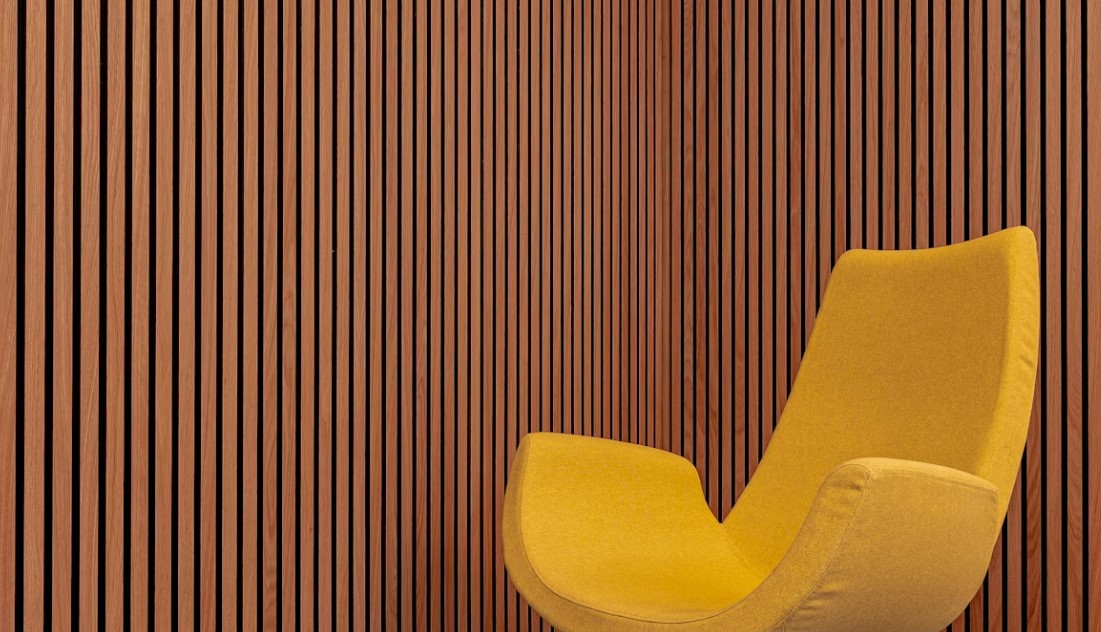
Wood has always been a cherished material in architecture and interior design, offering timeless elegance and a sense of warmth to any environment. However, in recent years, there has been a remarkable resurgence in the popularity of wood panel as a defining element in both residential and commercial interiors. This renewed interest is driven not only by aesthetic preferences but also by practical considerations and the desire for sustainable solutions.
Wood panel installations are no longer confined to traditional libraries or rustic cabins. Designers and architects now incorporate them into sleek, contemporary settings, transforming plain walls into visual masterpieces. The versatility of wood enables it to complement a vast array of styles, from Scandinavian minimalism to bold, industrial spaces. Whether used as a subtle accent or a dramatic feature wall, wood panel brings an organic texture that immediately enhances the atmosphere.
The appeal is not merely visual. Wood paneling provides excellent acoustic properties, making it a favorite choice for open-plan offices, restaurants, and even home theaters. Its natural ability to absorb sound reduces noise levels, contributing to a calmer and more productive environment. This functional benefit is especially valuable in today’s bustling urban settings, where peace and privacy are at a premium.
Sustainable choices for conscious consumers
As awareness of environmental issues grows, more people seek materials that align with their values. Wood panel stands out as a sustainable option when sourced responsibly. Many manufacturers now prioritize the use of certified woods from managed forests, ensuring that each panel contributes to a balanced ecosystem. This focus on sustainability does not come at the expense of quality or beauty; in fact, it often enhances the story behind each installation.
Furthermore, wood paneling can be repurposed or recycled, reducing waste and supporting circular design principles. The longevity of wood as a material means that it ages gracefully, developing a unique patina over time. This natural evolution adds character to interiors and encourages homeowners and businesses to invest in long-lasting solutions rather than short-lived trends.
Creating dynamic environments with wood
The tactile quality of wood panel is unmatched by synthetic alternatives. Each grain pattern tells a story, and the interplay of light and shadow on its surface creates a dynamic environment throughout the day. Designers experiment with orientation, spacing, and finishes to achieve distinctive effects. For example, vertical panels can make ceilings appear higher, while horizontal arrangements add width and openness to compact spaces.
In larger venues, such as concert halls or hotel lobbies, dramatic wood panel walls serve as statement pieces. The material’s versatility also extends to creative applications, including curved installations, intricate geometric patterns, or mixed-media compositions that combine wood with metal, glass, or fabric. These innovative uses push the boundaries of what wood paneling can achieve, inspiring new generations of architects and artists.
A sensory experience beyond aesthetics
The sensory impact of wood panel goes beyond its visual appeal. Touching a wooden surface, feeling the grain under your fingertips, and detecting the subtle scent of natural wood can evoke memories and emotions. This multisensory experience fosters a sense of comfort and belonging, which is why many hospitality venues and wellness centers opt for wood paneling to welcome their guests.
Moreover, wood’s insulating qualities help regulate indoor temperatures, contributing to energy efficiency. During colder months, wood paneling retains warmth, while in summer, it can help maintain a cooler environment. These practical benefits, combined with the beauty and sustainability of wood, make it an ideal choice for those looking to create inviting, functional spaces.
Looking ahead: the enduring charm of wood panel
As new materials and technologies constantly emerge, the enduring popularity of wood panel demonstrates the unique connection people feel to natural elements. In modern design, where trends come and go, the ability of wood to adapt and remain relevant is remarkable. Its blend of tradition and innovation ensures that it will continue to play a vital role in shaping the spaces where we live, work, and gather.
The story of wood paneling is far from finished. As designers continue to experiment with forms, finishes, and applications, we can expect to see even more creative and sustainable uses for this classic material. Whether in a bustling city apartment, a tranquil retreat, or a cutting-edge office, wood panel will remain a symbol of thoughtful design and enduring comfort.
