


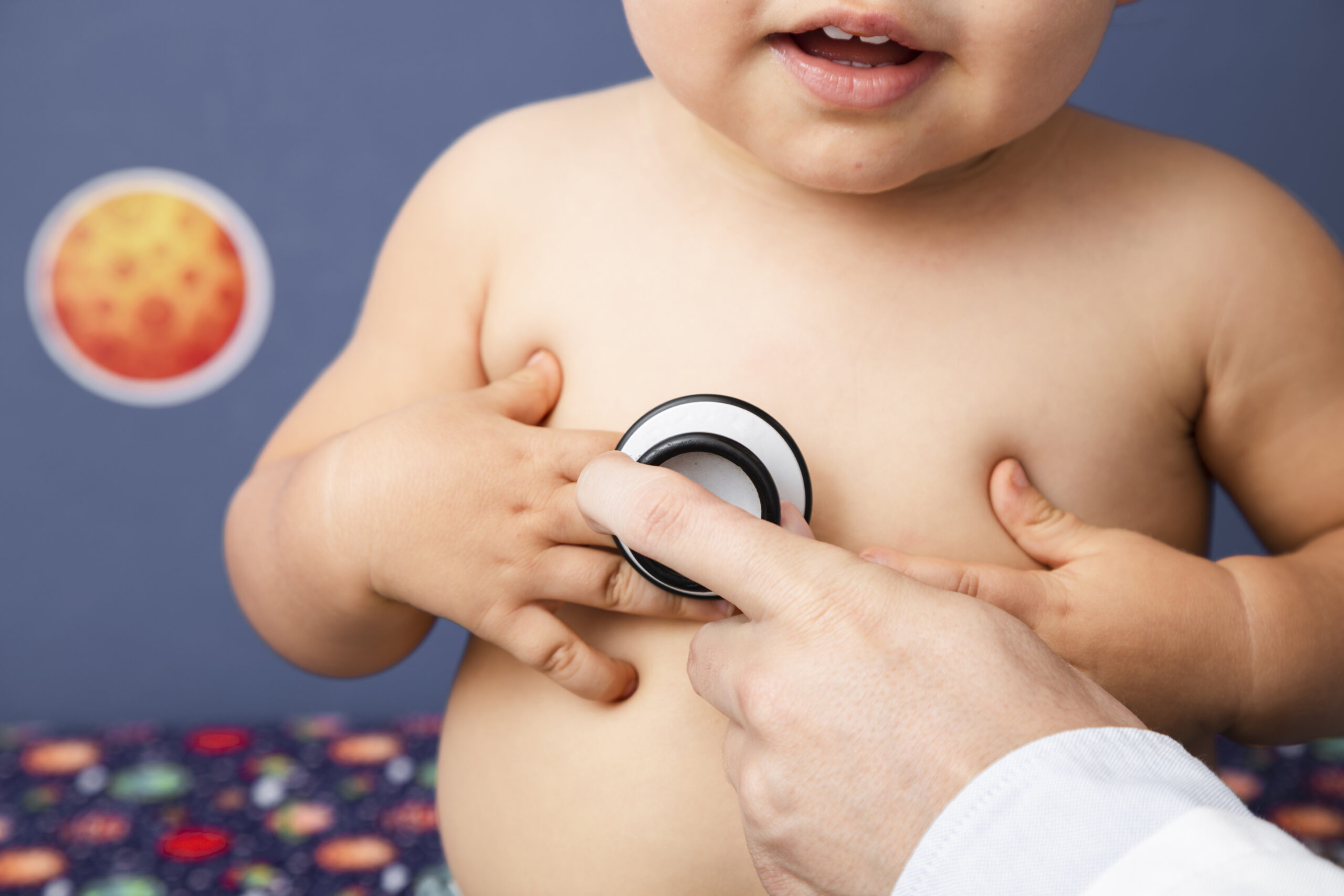
A pediatric cardiologist is a medical specialist dedicated to diagnosing and treating heart conditions in infants, children, and teenagers. Their expertise covers congenital heart disorders, rhythm abnormalities, and acquired cardiac diseases. Unlike adult cardiologists, they are trained to understand the unique physiology and emotional needs of children, ensuring accurate care from early childhood through adolescence.
The Importance of Pediatric Cardiology in Children’s Health
Childhood heart conditions require early detection and tailored treatment, making pediatric cardiology essential for long-term health outcomes. A pediatric cardiologist evaluates symptoms such as murmurs, chest pain, fainting episodes, and breathing difficulties to identify underlying issues that may impact daily development. They play a vital role in preventing complications through timely diagnostics, family education, and ongoing follow-up care. Their guidance helps families make informed decisions that promote healthier lifestyles and improved heart functionality for growing children.
Education and Training Required to Become a Pediatric Cardiologist
Becoming a pediatric cardiologist requires extensive training and years of dedication. After completing medical school, doctors undertake a pediatric residency, followed by a specialized fellowship in pediatric cardiology. This advanced training focuses on areas like congenital defects, pediatric arrhythmias, cardiac catheterization, and imaging techniques such as echocardiograms and MRIs. Continued certifications and regular education ensure they remain updated with the latest research and treatment innovations. This rigorous journey prepares them to manage complex heart conditions and provide comprehensive care to young patients.
Common Heart Conditions Treated in Children
Children can experience a wide range of heart problems, many of which differ significantly from adult conditions. A pediatric cardiologist commonly diagnoses and treats congenital heart defects, including ventricular septal defects, atrial septal defects, and tetralogy of Fallot. They also manage acquired conditions such as myocarditis, Kawasaki disease, and pediatric hypertension. Rhythm disorders such as tachycardia, bradycardia, and long QT syndrome also fall under their expertise. Early identification and personalized treatment help children live active, healthy lives without significant limitations.
Diagnostic Tools and Technologies Used
Modern pediatric cardiology relies on a variety of advanced tools to ensure precise diagnosis. A pediatric cardiologist typically uses echocardiograms, ECGs, cardiac MRI, CT scans, and stress tests to evaluate heart structure and function. Non-invasive imaging allows specialists to detect abnormalities with minimal discomfort to the child. In complex cases, cardiac catheterization provides detailed insights into pressure, blood flow, and structural issues. These cutting-edge technologies enable early detection, informed treatment plans, and more effective long-term monitoring.
Also Read This:- Transform Your Garden with Mannacote: A Natural Fertilizer That Enhances Health and Sustainability
Treatment Approaches: From Medication to Surgery
Treatment options vary widely depending on a child’s condition. A pediatric cardiologist may prescribe medications to manage rhythm issues, strengthen the heart muscle, or control blood pressure. In some cases, interventional procedures such as catheter-based repairs can correct defects without traditional surgery. For more severe conditions, pediatric heart surgeons may perform corrective or palliative operations to restore proper function. Ongoing rehabilitation, lifestyle guidance, and routine evaluations ensure children continue to thrive after treatment.
Role of a Pediatric Cardiologist in Long-Term Heart Care
A child diagnosed with a heart condition often requires long-term monitoring, making consistent care essential. A pediatric cardiologist follows the child through each developmental stage, adjusting treatment as they grow. They assess heart performance, evaluate physical activity levels, and provide guidance to help families manage symptoms effectively. Long-term care allows early intervention if new issues arise, ensuring the child maintains good health into adulthood. Their continuous involvement strengthens outcomes and supports overall well-being.
Working With Parents: Communication and Emotional Support
Families dealing with a child’s heart condition often experience stress and uncertainty. A pediatric cardiologist plays a key role in helping parents navigate these emotions by offering clear explanations, supportive counseling, and reassurance. They ensure parents understand treatment options, lifestyle adjustments, and follow-up requirements. Their ability to translate complex medical terminology into simple, reliable guidance builds trust and empowers families to make confident decisions about their child’s health.
Collaboration With Pediatricians and Other Specialists
Effective care often requires teamwork, and a pediatric cardiologist frequently collaborates with pediatricians, surgeons, neonatologists, and genetic specialists. This multidisciplinary approach improves diagnostic accuracy and ensures treatment plans address the child’s overall health. For newborns with congenital heart defects, early collaboration between specialists can be lifesaving. Ongoing communication between healthcare professionals supports seamless care and enhances the child’s developmental progress.
Also Read This:- The Health Side of Neapolitan Ice Cream: What Matters Most
Challenges Faced by Pediatric Cardiologists
Working with children’s heart conditions presents emotional and medical challenges. A pediatric cardiologist must carefully balance technical expertise with compassionate care, especially when treating infants or critically ill children. They often navigate complex diagnoses, coordinate with surgical teams, and assist families during stressful situations. Long hours, evolving medical technologies, and high responsibility levels require resilience and continuous commitment. Despite these challenges, their dedication leads to life-changing outcomes for countless children.
Success Stories and Real-Life Impact on Children’s Lives
One of the most rewarding aspects of pediatric cardiology is witnessing children recover and lead active, fulfilling lives. Many children who undergo treatment with a pediatric cardiologist grow into healthy adults with minimal limitations. Stories of infants surviving congenital defects or teenagers returning to sports after treatment highlight the profound impact these specialists have. Their expertise not only saves lives but restores hope and strengthens family bonds.
Future of Pediatric Cardiology: Innovations and Research
The future of pediatric heart care continues to evolve with new technologies and research breakthroughs. A pediatric cardiologist benefits from advancements such as fetal cardiac imaging, 3D modeling, genetic testing, and minimally invasive surgical techniques. These innovations improve diagnostic accuracy and reduce recovery times. Research into regenerative medicine, artificial valves, and improved devices promises even better outcomes for children with lifelong cardiac conditions.
Conclusion: Why Pediatric Cardiologists Are Essential to Child Health
A pediatric cardiologist plays an indispensable role in ensuring children with heart issues receive accurate diagnoses, personalized treatments, and continuous support. Their expertise improves survival rates, enhances quality of life, and brings reassurance to families facing medical uncertainty. With ongoing advancements in pediatric heart care, their contributions remain vital to promoting healthy childhood development and long-term wellness.
FAQs
What does a pediatric cardiologist do?
A pediatric cardiologist diagnoses and treats heart conditions in infants, children, and teens.
When should a child see a pediatric heart specialist?
Persistent chest pain, fainting, unusual fatigue, or heart murmurs may require evaluation.
Are heart conditions common in children?
Some are common, while others are rare congenital defects detected early in life.
Can children live normal lives after treatment?
Many children recover well and lead active, healthy lives with proper care.
Is pediatric heart testing safe?
Most tests are non-invasive, painless, and completely safe for children.
For More Latest Update genius.com.in
